

Branding and Identity
The Strategic Value of Brand Consistency Beyond the Logo
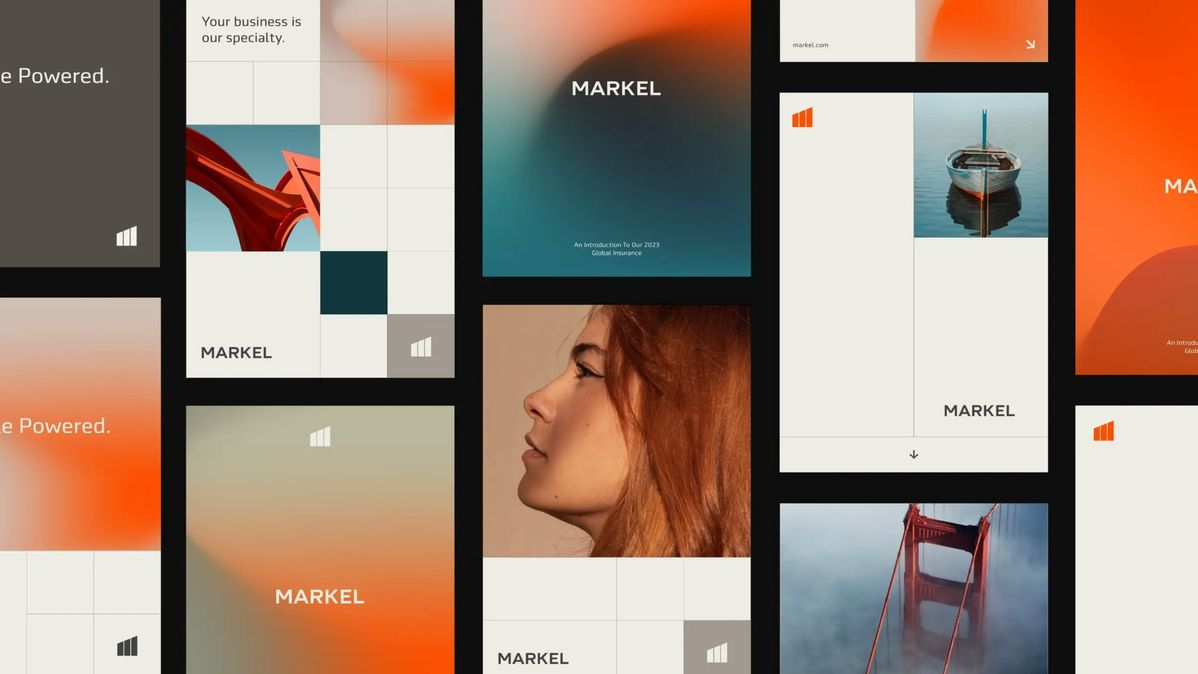

What Defines a Unified Visual System
A visual identity system is not merely a collection of files in a brand folder; it is a logic-based framework that dictates how your brand presents itself. When you rely solely on a logo to carry the weight of your identity, you set that logo up for failure. A logo is an anchor, but the system around it—typography, color hierarchy, grid structures, and iconography—is what builds the narrative.
Think of a company like a professional consultancy. Their logo may be simple, but their identity is felt through the restraint in their typography, the deliberate use of negative space in their documents, and a restricted color palette that signals stability. If they suddenly switched to loud, neon-heavy marketing materials, the mismatch would cause confusion. Consistency isn't about rigid repetition; it is about maintaining a coherent logic that allows customers to recognize you even when the logo isn't present. By creating a system that functions independently of any single element, you ensure that your brand maintains its integrity across various platforms.
The Cost of Fragmented Communication
When a brand lacks a structured system, teams often default to improvisation. An employee might choose a random font for a presentation, or a marketing contractor might use a slightly different shade of blue for a social media post. Over time, these small deviations compound. What was once a professional identity becomes a messy collage.
This fragmentation has a tangible business cost. It lowers the perceived value of your services or products because it suggests a lack of attention to detail. If you cannot manage your own visual standards, clients may subconsciously wonder if you manage their projects with similar negligence. Establishing a system is, at its core, a way to signal competence and reliability to the market. Consistency acts as a shorthand for trust; when the customer sees a consistent visual language, they feel a sense of familiarity, which reduces the cognitive load required to understand what you do and why you matter.
Auditing Your Current Touchpoints
To move toward consistency, you must first understand where your identity currently lives. Every touchpoint is a potential opportunity to reinforce your positioning or to dilute it. Conduct an audit by collecting every customer-facing asset you currently use. This includes your website, invoices, packaging, slide decks, social media templates, and internal emails.
Ask yourself: Do these elements share the same 'voice' and visual tone? If you removed your logo from these items, would they still feel like they belong to the same entity? Often, the answer is no. This exercise helps you identify the outliers—the assets that are actively working against your desired brand perception. When you find these discrepancies, do not just delete them. Document them as part of your internal design brief, noting that they do not meet the standards required for external representation.
Developing a System-First Mindset
Transitioning to a system-first mindset requires discipline. It means moving away from the urge to 'make it look cool' on a per-project basis and instead asking, 'Does this align with our existing visual logic?' This does not mean your design must become boring or stagnant. Instead, it creates boundaries that foster creativity.
For example, imagine a boutique creative agency. If they establish a system that emphasizes high-contrast typography and a specific, muted color palette, they can create infinite variations of social media content while still being instantly recognizable as 'them.' They don't need a new logo for every campaign; they simply lean into the system they have already defined. This approach saves time in the long run because every team member knows exactly which assets are permissible, reducing the time spent in approval cycles.
A Framework for Maintaining Identity
To keep your brand cohesive as you scale, use this framework to evaluate your design choices and ensure every asset you produce contributes to your larger goals:
The Clarity Test: Does this asset communicate one primary message, or is it trying to do too much? Simple, focused designs endure longer than those cluttered with unnecessary visual noise.
The Consistency Check: Are you using the defined primary and secondary fonts consistently across all mediums? Typography is the backbone of your identity.
The Context Filter: Does the visual treatment respect the platform? A high-end brochure requires a different application of your system than a quick social media update, but both should adhere to the same underlying logic. A system that works everywhere usually works nowhere; be purposeful about where you deploy your design assets.
The Evolution Constraint: Every new asset must relate back to the core identity. If it requires inventing a 'new look,' it likely contradicts your existing framework. Ask yourself if this new design fits within the current brand house or if it marks a departure that requires a wider conversation about your strategic goals.
The Role of Documentation
None of the above matters if your team does not know how to use the system. A brand guide—or a simple 'brand bible'—is not meant to be a static document that gathers dust. It should be a living, breathing guide that empowers your team to make decisions independently.
Include clear examples of 'do' and 'don't' scenarios. Show how the logo should look on a light versus dark background. Define the specific hierarchy for headers and body copy. By providing these tools, you empower your team to be brand advocates rather than passive users. This decentralization of the brand is essential for scaling, as it ensures that your identity remains intact even as the volume of your marketing efforts increases.
Building for the Long Term
Brand consistency is a discipline, not a one-time project. As your business evolves, your identity system should be flexible enough to grow with you, yet rigid enough to remain recognizable. By focusing on the system rather than just the symbols, you create a foundation that supports your growth rather than one that complicates it. When you treat every interaction as an extension of your brand’s personality, you move from being a commodity to a distinct authority in your industry.
Ultimately, your brand identity is the sum of every customer interaction. When you align your visual and verbal signals, you stop guessing whether you are communicating the right message. You gain confidence in your presence, and more importantly, your audience gains trust in your longevity. Invest in the architecture of your brand today to secure the reputation you want for tomorrow.
Need a thoughtful brand identity? Get in touch with Shabeeb Maloof.

